London Pet Microchipping Guide
Everything you need to know about getting your dog or cat microchipped in London: from what the procedure involves and how much it costs, to finding a mobile service that comes to your home.
How Much Does Microchipping Cost in London?
Microchipping in London typically costs between £40 and £85 for dogs and cats. Prices vary depending on whether you use a vet clinic or a mobile microchipping service. Vet clinics often include microchipping as part of a first vaccination appointment, which can make it more cost-effective. Mobile services charge a similar rate but add the convenience of coming to your home. Some London charities and rescue organisations run free or subsidised microchipping events, so it's worth checking with your local council or rescue centre if cost is a concern.
What Happens During Microchipping?
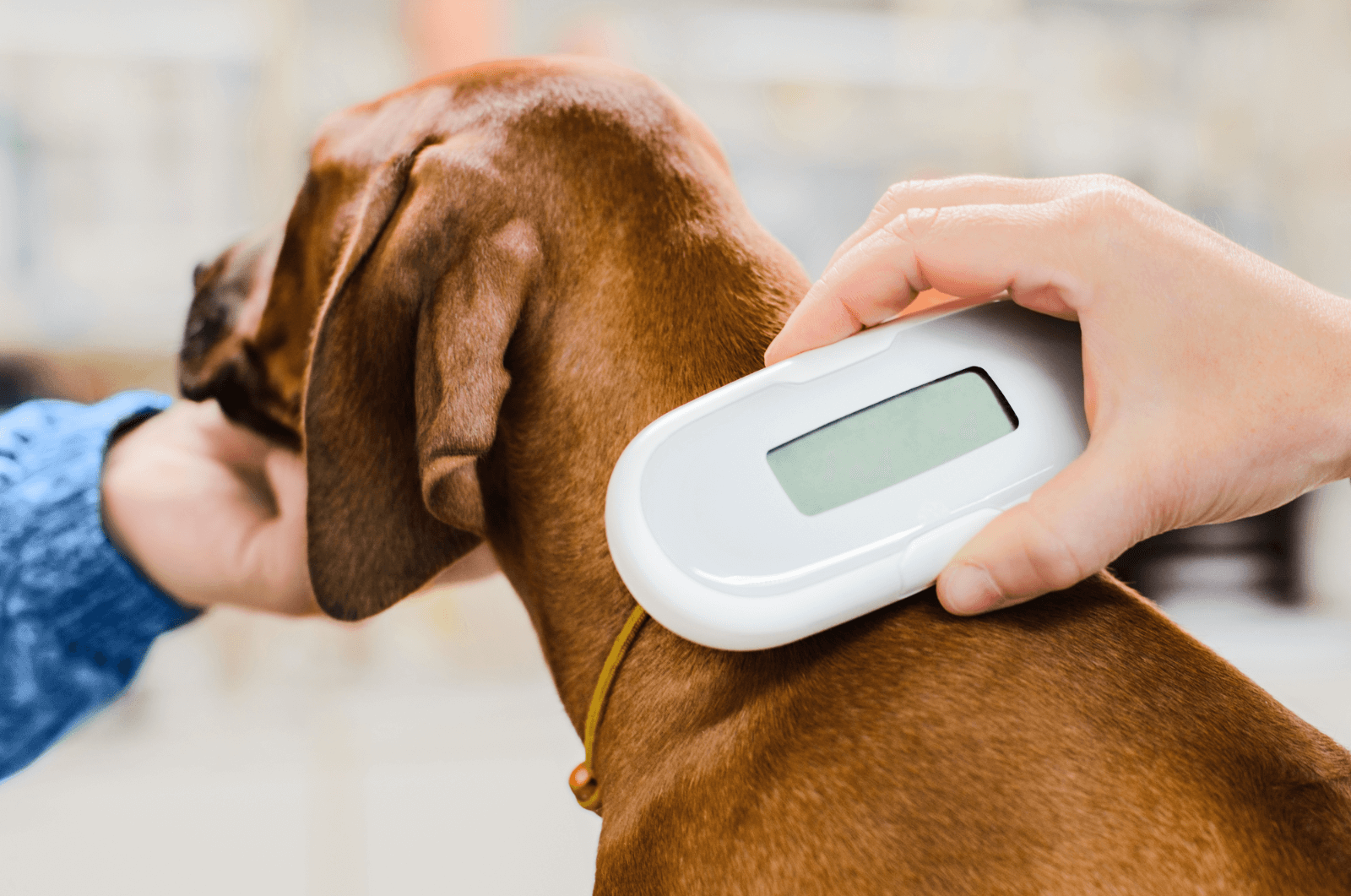
Microchipping is a quick procedure that takes less than a minute. A trained vet or registered implanter uses a sterile needle to inject a tiny microchip (roughly the size of a grain of rice) under your pet's skin, usually between the shoulder blades. No anaesthetic is required and most pets experience minimal discomfort, similar to a routine vaccination. After implantation, the unique chip number is registered on an approved database along with your contact details. You will receive a certificate confirming the microchip number and which database your pet is registered on.
Mobile Microchipping in London
If you cannot get to a vet clinic, many providers in London offer mobile microchipping services that come directly to your home. This is particularly useful for pets that get anxious during car journeys, owners without transport, households with multiple pets, and puppies or kittens not yet fully vaccinated. Mobile services typically cost the same as clinic appointments and the provider brings all necessary equipment, including database registration. Use the borough filter on our providers page to find mobile services available in your area.
How to Keep Your Microchip Details Up to Date
Once your pet is microchipped, it is your legal responsibility to keep your contact details current on the database. You must update your details if you move house, change your phone number, change your email address, or transfer ownership of your pet. Most databases allow free online updates, though some charge a small fee of around £5–£10. If you are unsure which database your pet is registered on, use the free Check-a-chip service at check-a-chip.co.uk with your pet's 15-digit microchip number.
Frequently Asked Questions
Looking for cat-specific advice? Read our dedicated Cat Microchipping London guide →
Disclaimer: This information is provided for general guidance only and should not be considered legal advice. Microchipping laws may change, and requirements can vary by region. Always check official government sources at gov.uk for the most current legal requirements, and consult your vet for pet-specific advice.